
The Weighing of the Heart
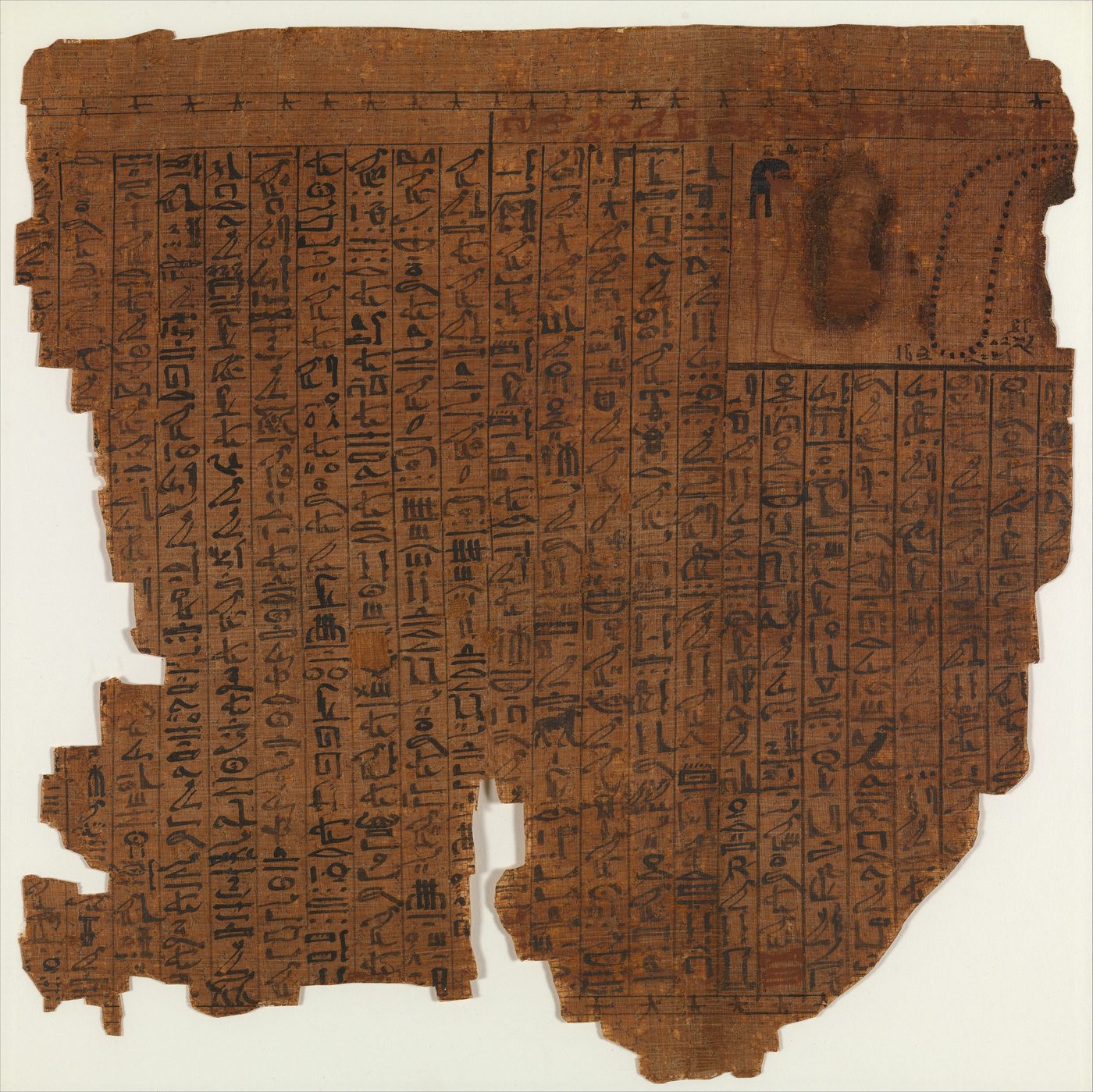
In the funerary texts Egyptians called the Spells of Coming Forth by Day, a scene repeats across a thousand years of tombs and papyri: a scale, a heart on one side, a single feather on the other.
The heart belonged to someone recently dead. The feather belonged to Maat, the principle of truth, justice, and cosmic order, personified as a goddess. Thoth, in the form of a baboon, watched the needle. A creature called Ammit, part lion, part hippopotamus, part crocodile, waited beside the scale to consume whatever failed the test.
What makes this scene unusual is not the judgment itself, found in some form across many afterlife traditions, but what was placed on the scale to be judged. Not a list of deeds recited by a priest. Not a count of offerings made. The heart.
To the Egyptians, the heart, ib, was not simply an organ pumping blood. It was described as the source of thought, the seat of memory, and the record of character, closer to what later languages split apart into mind, conscience, and recollection. A person's heart did not just feel. It thought, remembered, and kept score, continuously, across an entire life, whether or not the person noticed it happening.
Spell 30B of the Book of the Dead, often carved directly onto heart-shaped scarab amulets buried with the dead, addresses the heart directly, asking it not to testify against its owner in the hall of judgment. The spell exists because the Egyptians seem to have taken seriously a specific possibility: that the heart's record might not match the story a person told about their own life.
Egyptologist Jan Assmann reads the entire funerary system, mummification, spells, tomb goods, this way: not primarily as a response to the fear of death, but as an expression of maat extended to the scale of a single life. A life, on this reading, was something that accumulated weight over time, the way a heart was thought to accumulate memory. The judgment did not ask what a person believed about themselves. It asked what their own thinking, kept running underneath awareness for an entire lifetime, had actually recorded.
No scale weighs a heart today. But the question the Egyptians built an entire funerary literature around has not aged out of relevance: that the thinking running underneath a life, not the account a person gives of it afterward, might be the more accurate ledger.