Skip to content
Articles
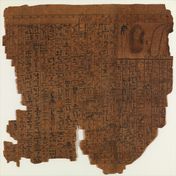 The Weighing of the HeartIn the funerary texts Egyptians called the Spells of Coming Forth by Day, a scene repeats across a thousand years of tombs and papyri: a scale, a heart on one side, a single feather on the other.
 What the Oracle Bones RecordedA decision that will not resolve itself tends to produce the same thought on a loop: what if I am wrong, and how would I know in time.
 The Sequence from Thought to WordAround 710 BCE, the Kushite pharaoh Shabaka found a papyrus in the Great Temple of Ptah at Memphis, already old, already damaged by worms.
 A City Built Before WritingCoordinating a group project without a shared written plan tends to fall apart within days.
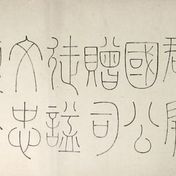 The Word That Refuses to Split in TwoClassical Chinese has one word, xin, where English insists on two: heart and mind.
 Two Kinds of CertaintyA thought can feel completely certain and still turn out wrong.
- The Gap Fanon FoundFanon took that general structure and showed what happens when the gaze is not neutral but racialized.
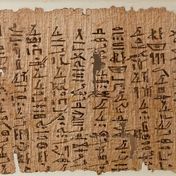 What a Dream Was Allowed to MeanSomewhere around 1220 BCE, in the workers' village of Deir el-Medina, a scribe named Qenherkhepeshef owned a papyrus that did something unusual with the thought that arrives uninvited during sleep: it sorted it.
- The Word That Doesn't TranslateBuild a word for thought out of the word for counting, and thinking stops looking like something that happens to a person and starts looking like something a person does, in order, on purpose.
 Whose Voice Counts as KnowingMost of what a person thinks they know, they never checked themselves.
 The Thought Before the ThoughtCatching a thought in the act of happening is a strange, doubled experience: there is the thought, and then there is whatever noticed it.
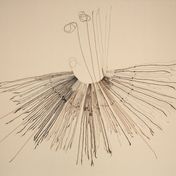 A Thought Measured in KnotsAsk what counts as a record of thought, and most answers reach immediately for writing: letters, words, sentences on a page.
 The Three Words English Flattens to OneEnglish has one everyday word for what happens when a person thinks: mind.
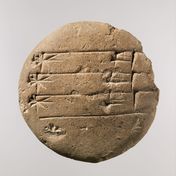 What Changes When You Name ItMuttering "keys, keys, keys" while searching a cluttered table does not look like a useful behavior.
 The Thought That Needed No BrainA sentence composed on a page is not simply a brain's finished thought transcribed afterward.
 Knowledge That Lives in the LandA thought that has to survive without ever being written down needs somewhere else to live.
 The Difference Between Feeling Sure and Being RightA thought can arrive fully formed, with no sense of reasoning behind it, and still turn out to be correct.
 A Thought Shared by a GroupA memory feels like something stored, the way a notebook stores a sentence until someone opens it and reads the same words back.
 The Machine That Guesses Your ThoughtA sentence someone only imagines saying, never moving a muscle to speak it, can now appear on a screen in real time.
 When the Evidence Runs OutIn 2011, a respected social psychologist at Cornell published nine experiments in one of the field's leading journals, using entirely conventional statistical methods, and reached a startling…
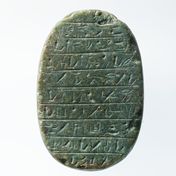 Where Does a Thought Live?Ask most people where a thought happens, and they point to their head.
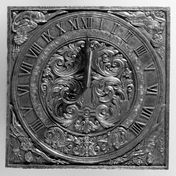 Thoughts Through TimeA thought does not stay the same shape for long.
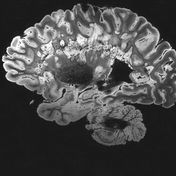 The Science of Thought, Right NowA thought can now be measured in several ways at once: by a scanner, by a questionnaire, by a language model reading what a person says out loud.
 The Thought Behind the FeelingTwo people receive the same piece of feedback at work.
- The Thought Before the ActionBy the time a behavior is visible, the thought behind it has often already done its work.